

Description
High Torque Intelligent Actuator Multi-turn Overview
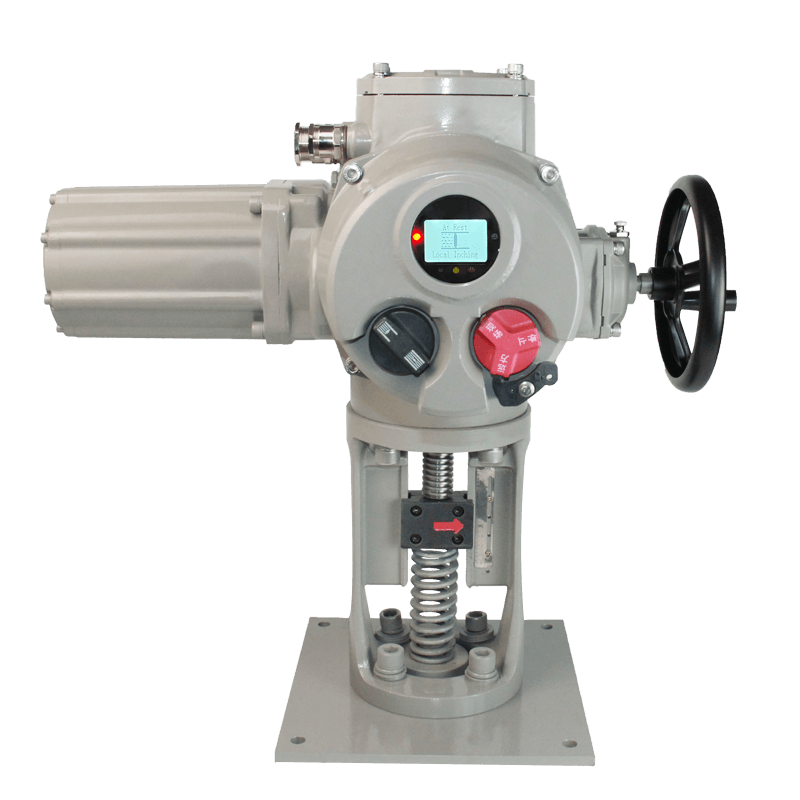
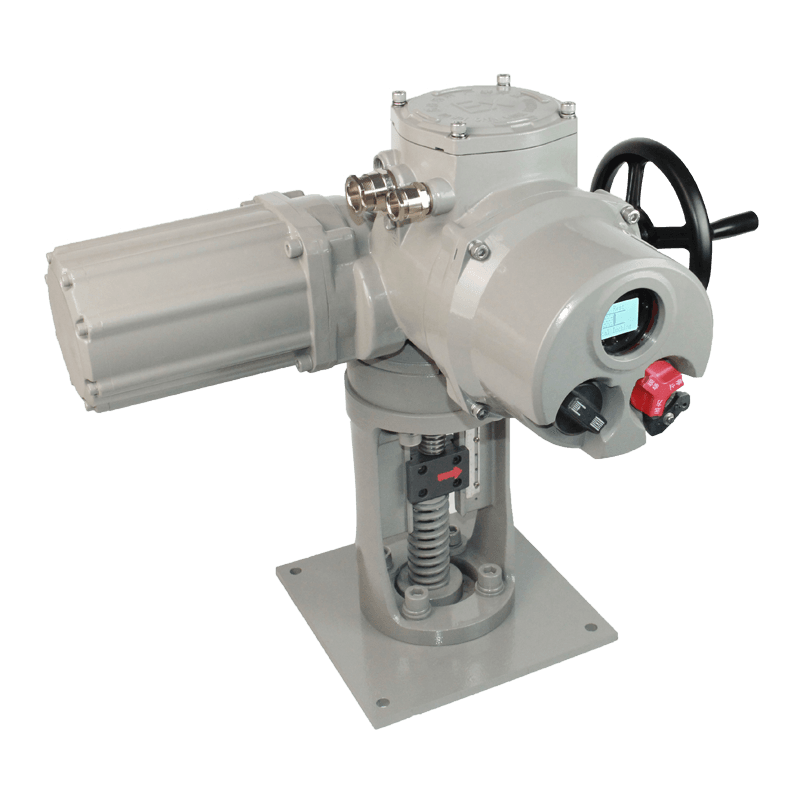
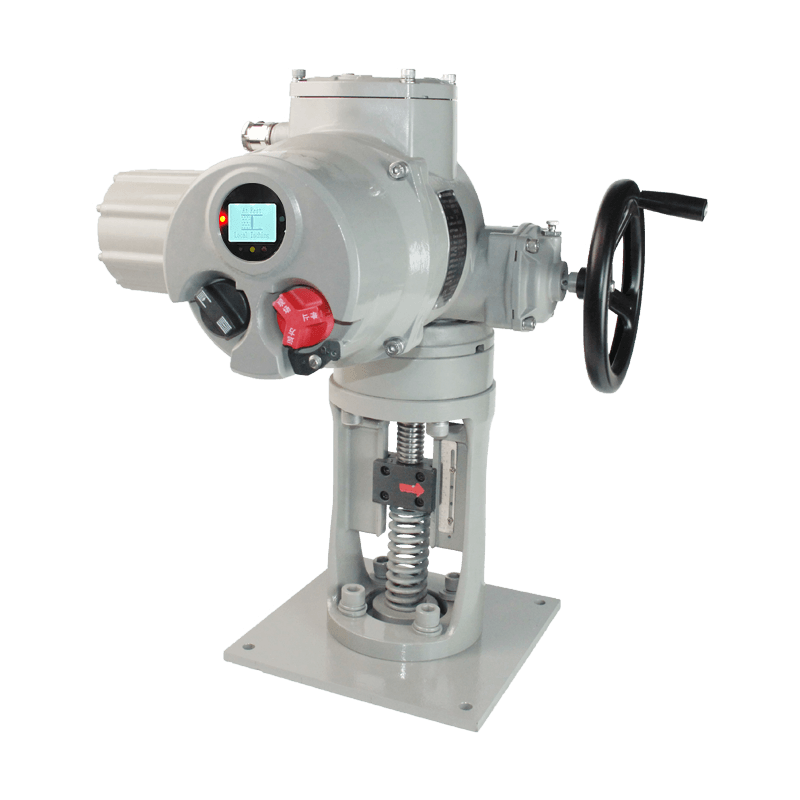
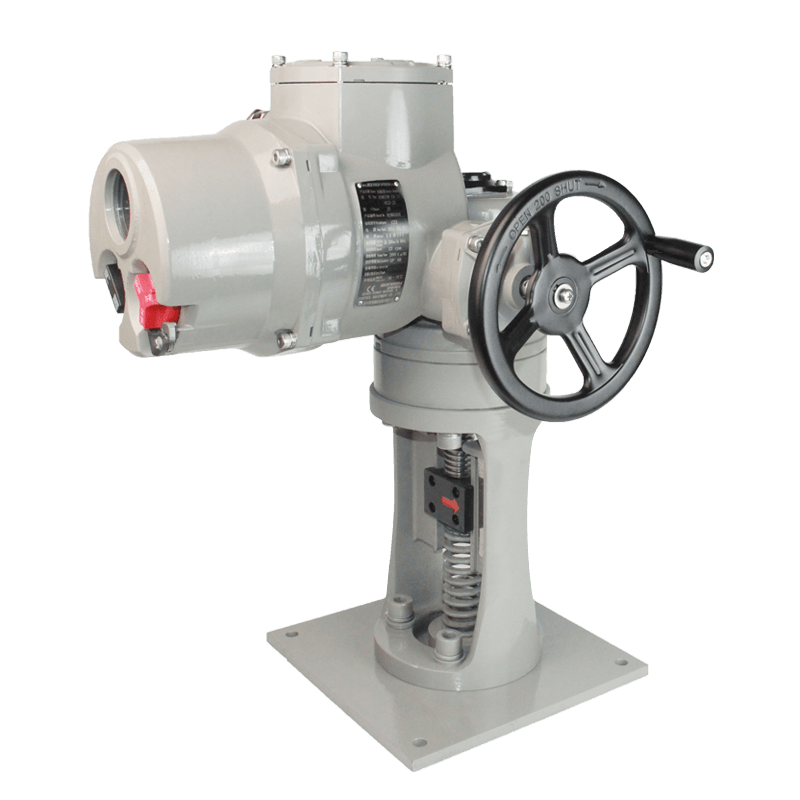
The modern industrial landscape demands more than just torque; it demands data. The high torque intelligent actuator multi-turn has evolved into an intelligent field device, and the BD300-C8 series from Bonray leads this charge. We designed this actuator not just to move valves, but to communicate. With integrated data logging, Bluetooth connectivity, and advanced bus protocols, our factory equips the BD300-C8 high torque intelligent actuator multi-turn to serve as a critical node in your asset management system. It records operational statistics—including number of cycles, run time, and frequency of torque alarms—providing actionable insights for predictive maintenance. This is the solution for facilities looking to reduce downtime and optimize performance through data-driven decision-making.
High Torque Intelligent Actuator Multi-turn Features
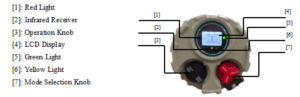
- Data Logging and Self-Diagnosis: The onboard computer records every action. It logs the total number of starts, total running time, and a history of fault conditions. If an issue occurs, the LCD displays a specific error message (e.g., “Phase Loss” or “Motor Overheat”), eliminating guesswork.

LCD Display - Bluetooth Interface (Optional): Our integration of Bluetooth allows for seamless communication with smartphones and tablets. Technicians can use a mobile app to download log files for analysis, perform firmware updates, or adjust setpoints without needing specialized hardware.
- Battery-Backed LCD (Optional): Even if the main power supply fails, the actuator can display the valve position. By simply rotating the knob, the screen wakes up using an internal battery, ensuring operators always have access to critical position data during outages.
High Torque Intelligent Actuator Multi-turn Protect Functions
- Electrical Isolation: All input and output channels are optically isolated from the main logic circuitry. This protects the actuator from voltage spikes and electrical noise common in industrial environments, ensuring stable, interference-free operation.
- Automatic Phase Correction: This feature simplifies installation. The actuator automatically aligns the motor rotation to the open/close commands, making it impossible to wire the unit to move in the wrong direction.
- Power Loss State Retention: The bistable output contacts retain their state even if the system loses power. This ensures that control room indicators do not reset erroneously during a power flicker.
Control Methods
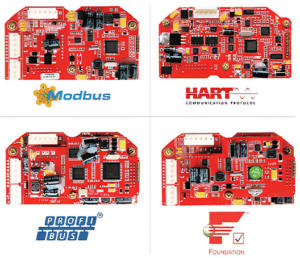
- Profibus-DPV1 (Redundant): For mission-critical applications, our factory offers redundant Profibus-DPV1 cards. This ensures communication continuity if one network fails.
- Modbus RTU/ASCII: Standard for many water and wastewater applications, the Modbus interface allows for easy integration with SCADA systems.
- Hart Protocol: For plants leveraging 4-20 mA loops for asset management, the HART option provides digital communication over the analog wires for configuration and diagnostics.

Fieldbus Cards
Model and Type
- Standard Modulating (BDM-C8) high torque intelligent actuator: Optimized for continuous control loops.
- On-Off (BD-C8) high torque intelligent actuator: Optimized for discrete valve isolation.
- Split-Type (C8F) high torque intelligent actuator: Optimized for extreme environmental conditions.

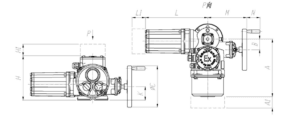
Outline Dimension Drawing BDBDM-C8
Specifications
- Position Sensing: BM18 Absolute Encoder (Non-contact, battery-free).
- Resolution: 1% display resolution.
- Data Storage: Non-volatile memory.
- Communication Protocols: Modbus RTU, Profibus-DP, DeviceNet, FF, Hart.
- Display: Dot-matrix LCD with backlight.
- Cable Entries: Standard M27x2 and M20x1.5 threaded holes.
BD300-C8 Three Phase Output Speed (rpm) Rated Torque (N.m) Motor Power (KW) Locked Current (A) Rated Current (A) Weight (kg) 24 3000 7 108 20 140 36 2500 7 108 20 48 2000 7 108 20 72 1800 8.3 181.75 36 96 1400 8.3 181.75 36 144 1100 8.3 181.75 36
Is the Bluetooth option secure?
Yes. The Bluetooth connection requires physical proximity and does not interfere with the main control network, ensuring that remote operations via the DCS are not compromised.